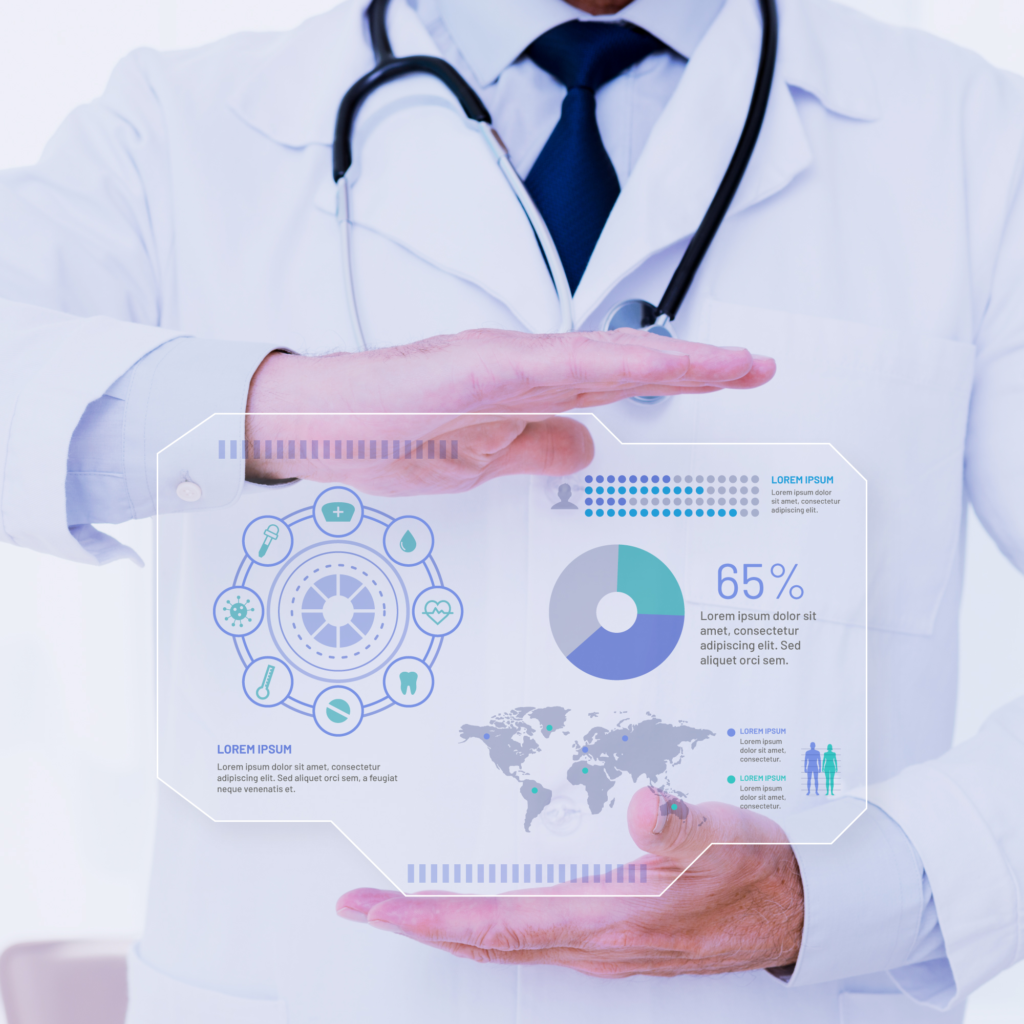

Predictive Analytics for Healthcare Management

About the Project

Our project, Predictive Analytics for a Healthcare Provider, centered on improving efficiency and patient outcomes in the medical sector. Falling under the categories of AI & Data Science and Healthcare Technology, the solution achieved remarkable results by reducing patient wait times by 45%.

pexels fabian hurnaus 354720 7828328

Client Background

The client was a mid-sized healthcare provider serving thousands of patients across multiple clinics. Managing appointment schedules, predicting patient inflows, and allocating medical staff were becoming increasingly difficult as the network grew. Long waiting times frustrated patients, and the administrative team struggled to maintain balance between resources and demand. The organization wanted a smarter, data-driven way to improve resource allocation and patient satisfaction.

Challenge / Problem

The major problem was unpredictability in patient flow and resource use. Clinics often faced overcrowded waiting rooms during peak hours, while at other times, doctors and nurses were underutilized. This imbalance led to inefficiencies, longer waiting times for patients, and decreased satisfaction levels. On average, patient wait times were over one hour, and resource mismanagement directly affected both staff performance and patient trust. The client needed a system that could forecast patient demand in real time and optimize resource deployment accordingly.

adobestock 253240864 preview

Sloution

DeepNix implemented a predictive analytics solution powered by machine learning algorithms. The system gathered data from past patient visits, seasonal trends, and demographic information to forecast patient inflows with high accuracy. A dashboard was designed to help administrators visualize real-time predictions and allocate staff more effectively. The platform also generated recommendations for scheduling, ensuring doctors and nurses were assigned based on predicted demand. To make the solution more adaptive, the model continuously learned from new data, becoming smarter and more precise over time.

Adaptive Scheduling and Continuous Learning

The platform recommended optimal staff scheduling and became smarter over time by learning from new data. This adaptability ensured resources were always aligned with patient needs, boosting efficiency and care quality.

pexels karolina grabowska 7195445

Results

The predictive system revolutionized healthcare operations for the client. Patient wait times were reduced by 45%, creating a more positive experience for visitors. Staff scheduling became far more efficient, with resources distributed exactly when and where they were needed. This not only improved patient satisfaction but also significantly reduced administrative stress. With improved resource utilization, the healthcare provider reported an increase in staff morale and better overall patient outcomes. The project demonstrated how predictive analytics can bridge the gap between patient needs and healthcare delivery.

Reduce in Wait Time

0 %

Reduction in Human Agent Workload

0 %

Our Agency

Empowering the Next Generation of Brands & Businesses

Want to optimize patient care and resource management with predictive analytics? → Request a Quote